Language

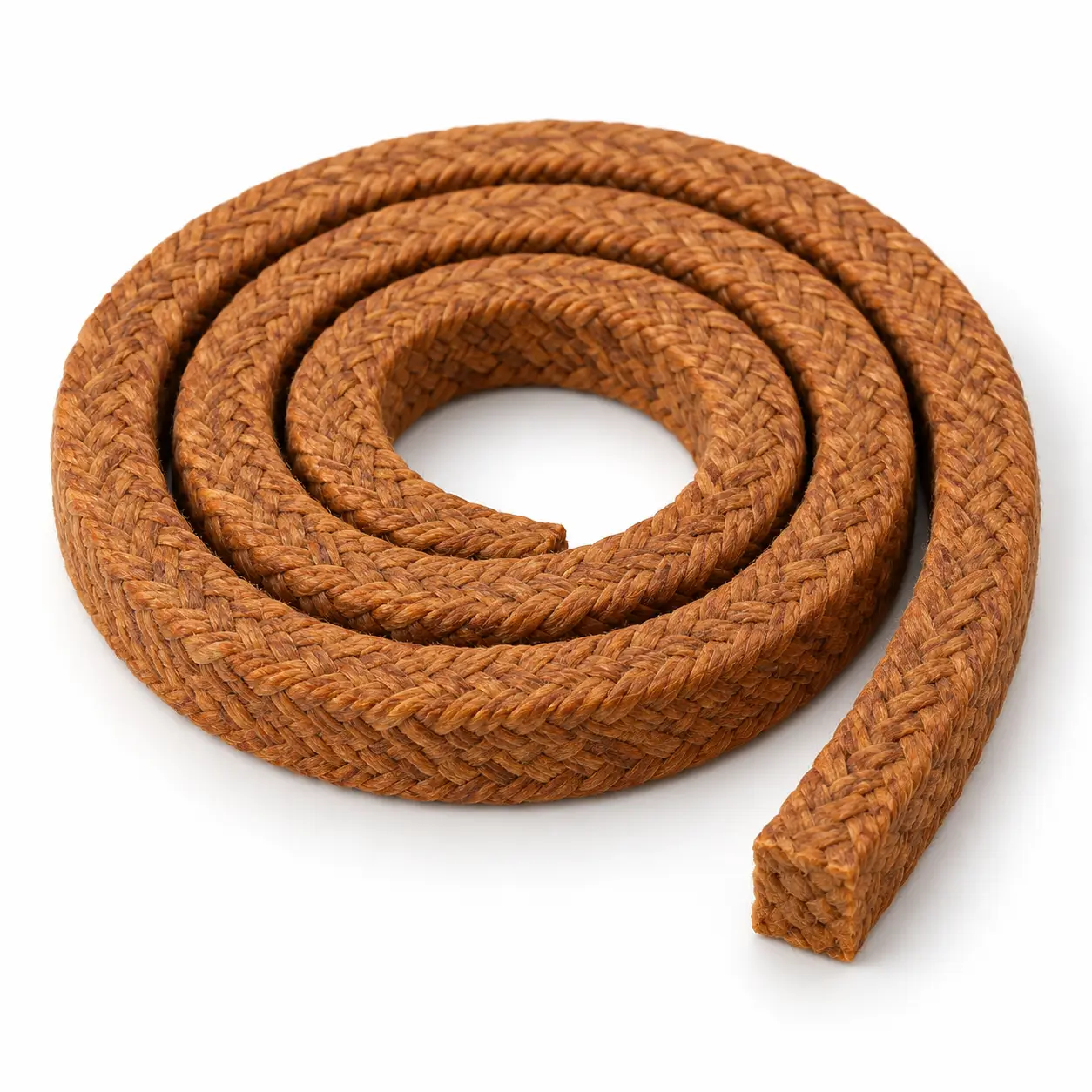
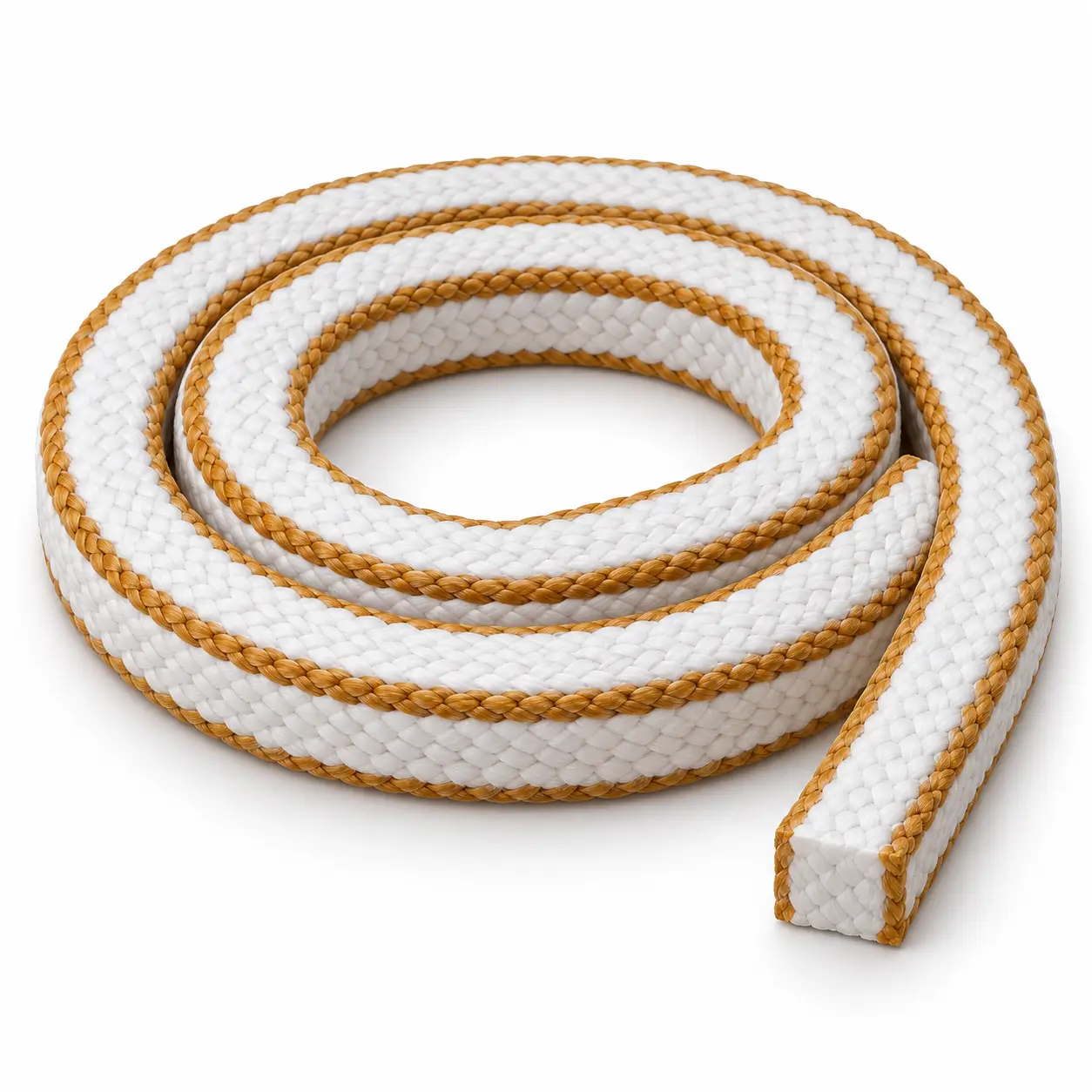
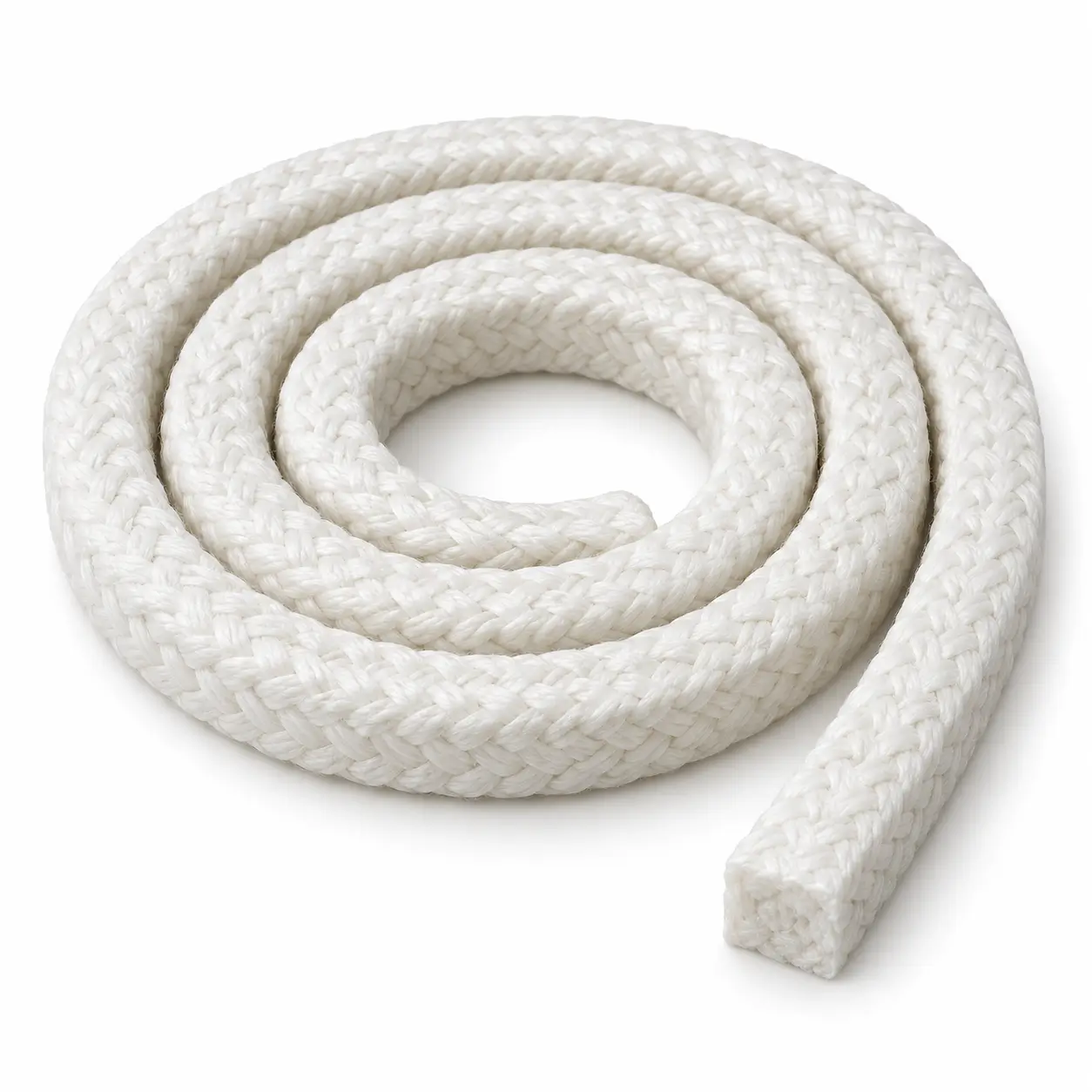
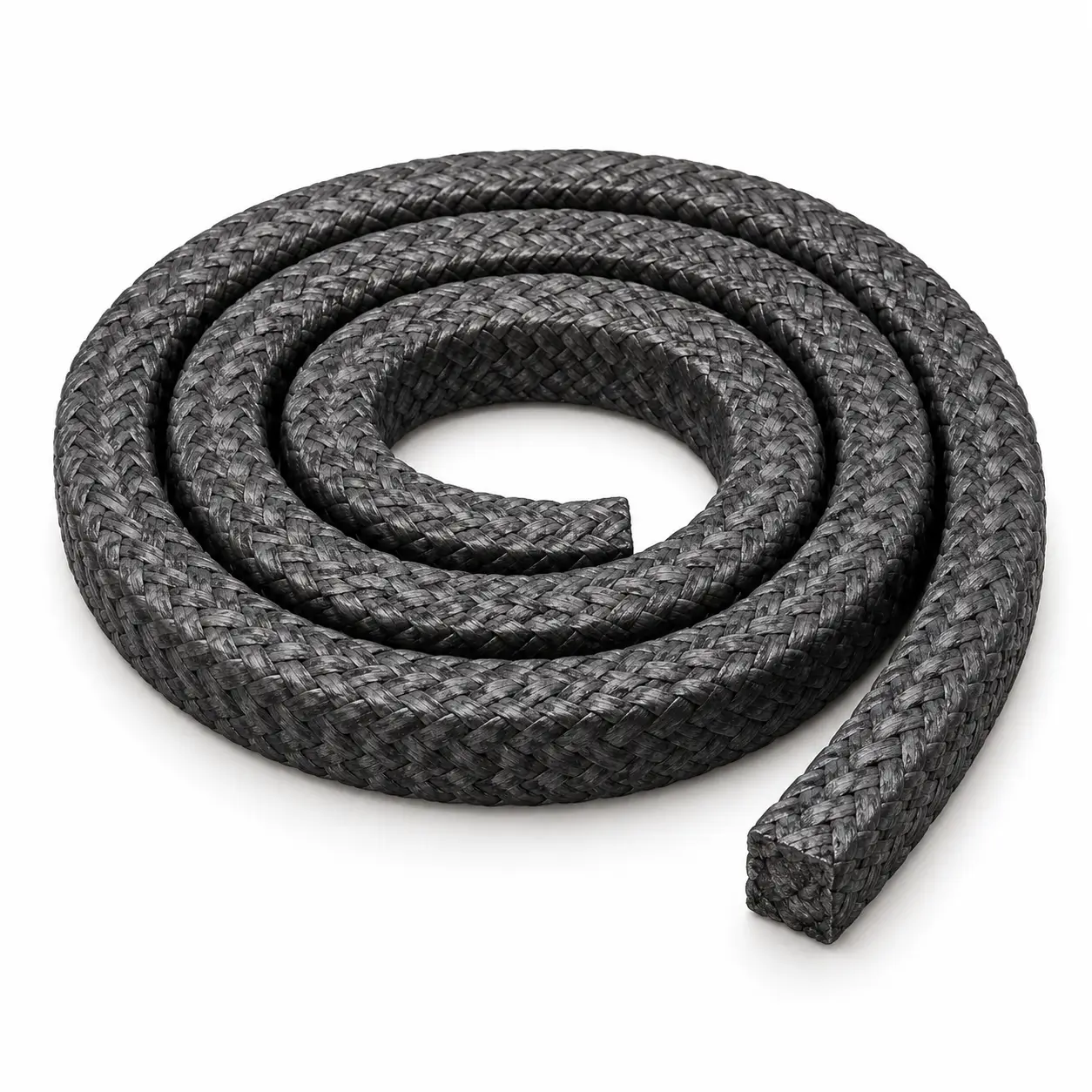
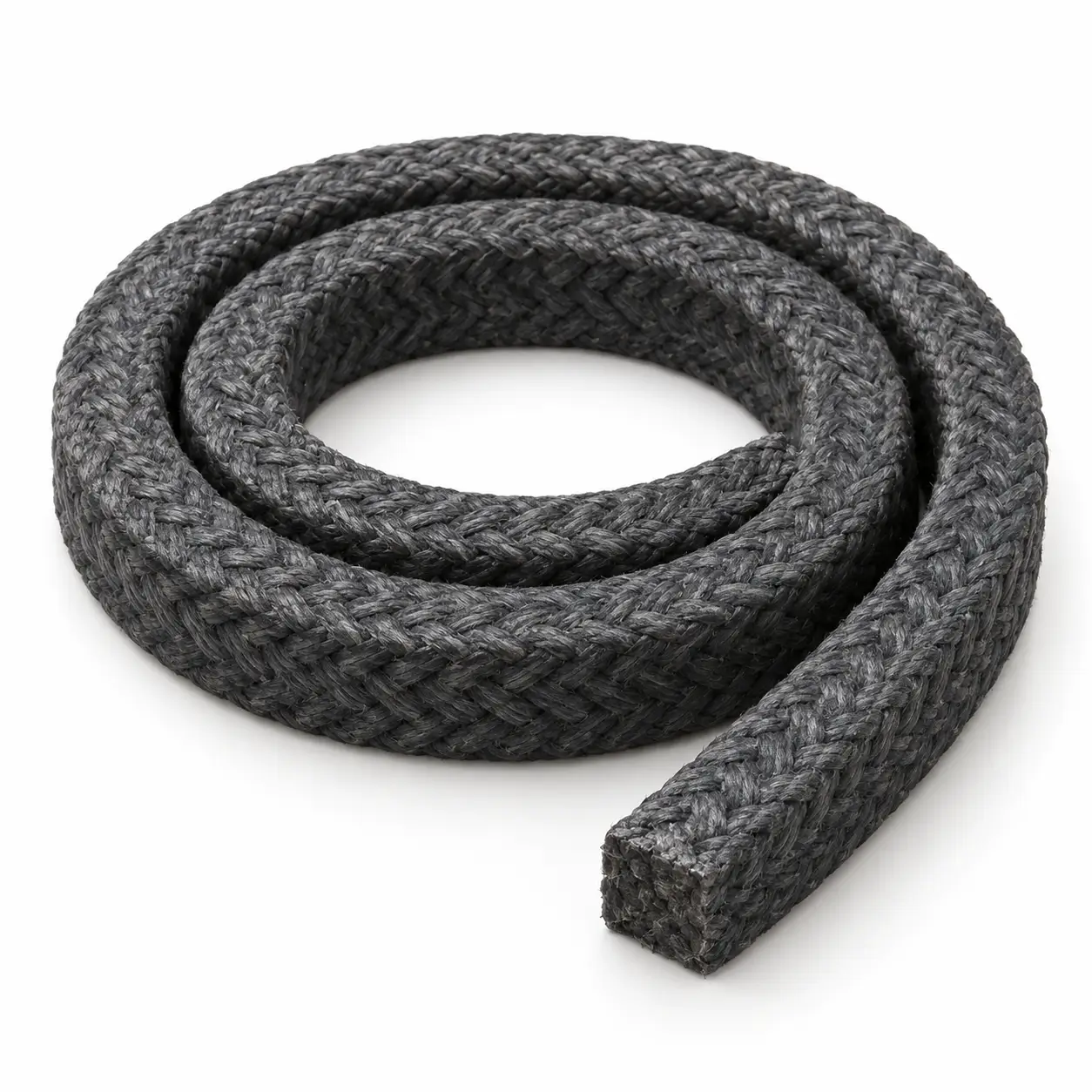
When a maintenance team shuts down a pump skid on a Friday afternoon, the last thing a procurement officer wants is a Monday callback about a dripping gland. How Do You Install PAN Fiber Packing Correctly? The answer is not a single torque value or a clever shortcut; it is a repeatable sequence that starts with confirming the stuffing box, continues through square cutting and staggered ring joints, and ends with a controlled run-in. PAN fiber packing is a braided compression packing built for tough service, but even the best spool will leak early if the packing size is guessed, the shaft is scored, or the gland is tightened to “feel.” In plants where uptime is measured in hours, buyers increasingly ask for installation-ready guidance with the carton, not just a certificate. Kaxite’s experience with synthetic fiber packing shows that the highest-cost failures usually begin with small installation assumptions: a lantern ring set too deep, rings cut with scissors, or no allowance for thermal growth. This field guide turns those assumptions into checkpoints that a maintenance planner and a purchasing team can share. It covers the failure signals, the installation sequence, the dimensional numbers to confirm in an RFQ, run-in expectations, and two practical Q&A sets on How Do You Install PAN Fiber Packing Correctly. Use the jump links below to go straight to the decision you need.
A buyer places a trial order for PAN fiber packing, the warehouse receives it, and the maintenance crew installs it during a short shutdown. Two shifts later, the pump is weeping, the gland is hot, and everyone blames the packing. In most cases, the packing material is not the root cause. The real issue is a mismatch between the stuffing box condition and the installation method. A worn shaft sleeve, a packing cross-section that is 1 mm undersize, or rings cut at an angle can create a leak path before the packing has time to seat. For purchasing teams, this is a costly loop: expedited replacement, extra labor, and a supplier relationship tested by a problem that a few checkpoints could have prevented.
The solution is to treat installation as a specification, not a craft secret. Confirm the shaft diameter, stuffing box bore, and packing cross-section before the shutdown. Inspect the shaft sleeve for scoring and runout. Cut rings squarely, install them one at a time, and stagger joints. Kaxite supplies PAN fiber packing with practical installation guidance so buyers can share clear checkpoints with the maintenance team before the carton is opened. The table below shows the parameters worth confirming at goods-in and pre-installation.
| Checkpoint | Target or action | Why it matters |
|---|---|---|
| Packing cross-section | Match the measured stuffing box annular gap; do not rely on nominal size alone | An undersize ring leaves a leak path; an oversize ring distorts during gland tightening |
| Shaft sleeve finish | Ra 0.8–1.6 µm; no deep scoring or spiral marks | A rough sleeve abrades packing and increases shaft wear |
| Shaft runout | ≤0.05 mm at the stuffing box | Excess runout opens the gland clearance on one side |
| Stuffing box cleanliness | Remove old rings, scale, and hardened product | Debris prevents proper ring seating and lantern ring alignment |
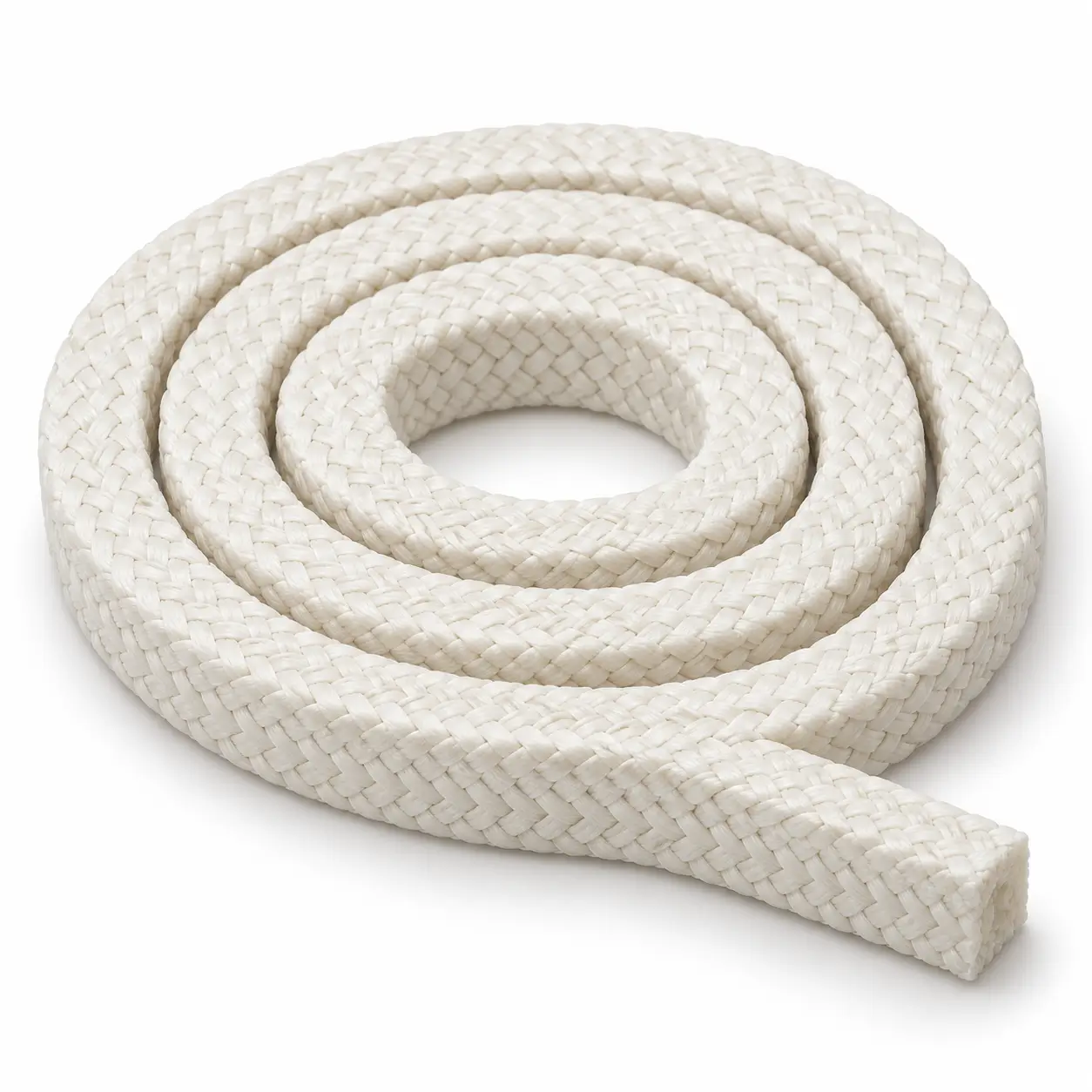
Picture a two-person crew with a clean bench, a sharp knife, a mandrel sized to the shaft, and a carton of PAN fiber packing. The planner wants the job finished before the next production window; the buyer wants no repeat purchase order. The fastest way to meet both goals is a fixed sequence. First, clean the stuffing box and inspect the shaft sleeve. Second, measure the box bore and shaft diameter, then calculate the required packing cross-section. Third, cut each ring squarely on a mandrel; never use scissors or a dull blade. Fourth, install one ring at a time and seat it firmly, turning the joint 90° from the previous ring. Fifth, align the lantern ring with the flush port if one is used. Sixth, bring the gland down finger-tight, then add only the recommended initial compression. Finally, run the pump and adjust gradually.
This is the practical answer to How Do You Install PAN Fiber Packing Correctly: control the cut, the joint stagger, and the gland load. Kaxite’s PAN fiber packing is supplied for buyers who need consistent braided construction and a clear installation reference, so the maintenance team is not guessing from an old spool. Use the table below as a shift handover checklist.
| Installation step | Checkpoint | Target |
|---|---|---|
| Measure | Stuffing box bore and shaft diameter | Cross-section = (box bore − shaft diameter) ÷ 2 |
| Cut | Square ring cut on mandrel | No frayed ends; joint gap closed when seated |
| Stagger | Joint position ring to ring | 90° offset; never stack all joints in line |
| Gland | Initial compression | Finger-tight plus a small, measured take-up; avoid over-tightening |
A common purchasing pitfall is to reorder the same nominal packing size year after year while the stuffing box has been reworked or the shaft sleeve replaced. The result is a carton that looks correct on paper but performs poorly in service. The pain shows up as uneven gland pressure, hot running, and leakage that cannot be adjusted away. The fix is to record dimensional data with the RFQ: shaft diameter, stuffing box bore, stuffing box depth, number of rings, lantern ring position, media, temperature, pressure, and shaft speed. Ask the supplier to confirm the recommended cross-section and ring count against those values. For PAN fiber packing, square cutting and a clean joint are especially important because braided edges can unravel if cut with the wrong tool.
Ningbo Kaxite Sealing Materials Co., Ltd. supports buyers with product data and application review, so the quotation can include the right size, quantity, and installation notes rather than a generic stock item. The table below lists the numbers to lock down before release.
| Parameter | Formula or target | RFQ note |
|---|---|---|
| Packing size | (Box bore − shaft OD) ÷ 2 | Confirm metric and inch dimensions |
| Ring quantity | Stuffing box depth ÷ packing cross-section | Allow for lantern ring and gland space |
| Cut length | π × shaft OD + packing cross-section | Cut on mandrel; keep ends square |
| Gland take-up | Start low; adjust in small increments | Record final gland position for maintenance |
The shutdown is over, the pump is started, and the gland begins to drip. This is the moment when many teams over-tighten. A small, controlled leak during run-in helps lubricate and seat the packing. If the gland is cranked down immediately, the packing can overheat, glaze, and fail within days. The pain scenario is familiar: a buyer receives an urgent request for a second carton because the first set was “bad,” when the real cause was zero run-in discipline. The solution is a written run-in plan. Start with a safe leakage rate, allow the packing to seat, and tighten the gland in small increments only when leakage exceeds the target. Record the final gland position so the next maintenance shift can repeat it.
Kaxite’s PAN fiber packing can be part of a planned maintenance program when buyers pair the product with clear start-up expectations. Share the media, temperature, pressure, and shaft speed with the supplier so the recommendation fits the duty. The table below gives a practical run-in framework to adapt to site rules.
| Run-in stage | Time or action | Leakage target | Operator action |
|---|---|---|---|
| Initial start | First 10–15 minutes | Visible drip, not a stream | Observe; do not over-tighten |
| Seating | 30–60 minutes | Gradual reduction | Small gland adjustments only if needed |
| Stabilization | After first shift | Site-specific acceptable drip | Record gland position and temperature |
| Follow-up | Next maintenance window | No hot gland or sudden leakage | Inspect sleeve and ring condition |
Purchasing teams often receive a simple request: “Order more packing.” That request rarely includes the data needed to prevent a repeat failure. The pain is a low-price order that creates high-cost downtime. The solution is an RFQ template that captures the application, the dimensions, the operating conditions, and the documentation you expect. Ask for the product datasheet, recommended cross-section, ring count, installation sheet, packing list, lead time, and minimum order quantity. If the application involves a lantern ring, abrasive media, or high shaft speed, state it clearly so the supplier can review the recommendation. A good RFQ protects the buyer and gives the maintenance team a better chance of a first-time installation.
Ningbo Kaxite Sealing Materials Co., Ltd. can review your stuffing box data and help match PAN fiber packing to the duty, so the purchase order is based on the application rather than a catalog guess. The table below shows the minimum RFQ fields for a cleaner quotation.
| RFQ item | What to specify | Acceptance note |
|---|---|---|
| Application | Pump or valve, media, pH, temperature, pressure | Confirm compatibility before order |
| Dimensions | Shaft OD, box bore, box depth, packing size | Attach sketch or photo with ruler |
| Documentation | Datasheet, installation sheet, certificate of conformance | Include with quotation |
| Commercial | Quantity, MOQ, lead time, packaging | Confirm spool or box quantity |
Q: How much should the gland be tightened after start-up?
A: Start with the gland finger-tight, then add only a small, measured take-up. After start-up, allow a controlled drip during run-in and tighten in small increments if leakage exceeds the site target. Avoid the common mistake of stopping all leakage immediately; that can overheat the packing and glaze the surface. Keep a record of the final gland position, and ask Kaxite for the recommended start-up note for your PAN fiber packing size and duty.
Q: Can PAN fiber packing be cut with scissors or a utility knife?
A: Use a sharp packing knife and cut each ring squarely on a mandrel sized to the shaft. Scissors and dull blades crush or fray the braided edges, creating a leak path and loose fibers. Measure the cut length with the formula π × shaft OD + packing cross-section, then seat each ring individually and stagger joints by 90°. This single step solves many early leaks and is central to How Do You Install PAN Fiber Packing Correctly in practice.
If you are comparing suppliers, send your shaft diameter, stuffing box dimensions, media, temperature, pressure, and target lead time to Ningbo Kaxite Sealing Materials Co., Ltd. at [email protected]. The team can review your application, recommend the right PAN fiber packing size, and share installation checkpoints so your maintenance crew can avoid repeat leaks. Visit https://www.synthetic-fiber-packing.com to review product data, request a quotation, or ask for a sample and technical datasheet for your next shutdown.
Zhang, Y., & Li, H. (2021). Tribological behavior of braided fiber packing under mixed lubrication. Tribology International, 156.
Wang, J., Chen, L., & Zhao, M. (2020). Friction and wear of PTFE-impregnated synthetic fiber packing in pump service. Wear, 456–457.
Kumar, R., & Singh, P. (2019). Effect of gland load on leakage and temperature in compression packing. Sealing Technology, 2019(4).
Anderson, M., & Brooks, T. (2018). Shaft sleeve surface finish and packing life in centrifugal pumps. Journal of Tribology, 140(3).
Liu, Q., Sun, X., & Zhou, W. (2022). Thermal aging of acrylic fiber reinforced braided packing. Polymer Composites, 43(7).
Patel, N., & Desai, K. (2017). Installation variables affecting compression packing performance. Industrial Lubrication and Tribology, 69(5).
Garcia, P., & Moreno, J. (2020). Leakage control of braided packing in rotating equipment. Journal of Applied Polymer Science, 137(18).
Chen, H., Xu, B., & Lin, Y. (2021). Wear mechanisms of synthetic fiber packing against stainless steel sleeves. Materials & Design, 198.
Meyer, D., & Hoffmann, R. (2019). Run-in behavior and gland adjustment of braided compression packing. Tribology Transactions, 62(4).
Singh, A., & Rao, V. (2022). Procurement and specification practices for industrial sealing materials. Sealing Technology, 2022(9).
-