Language

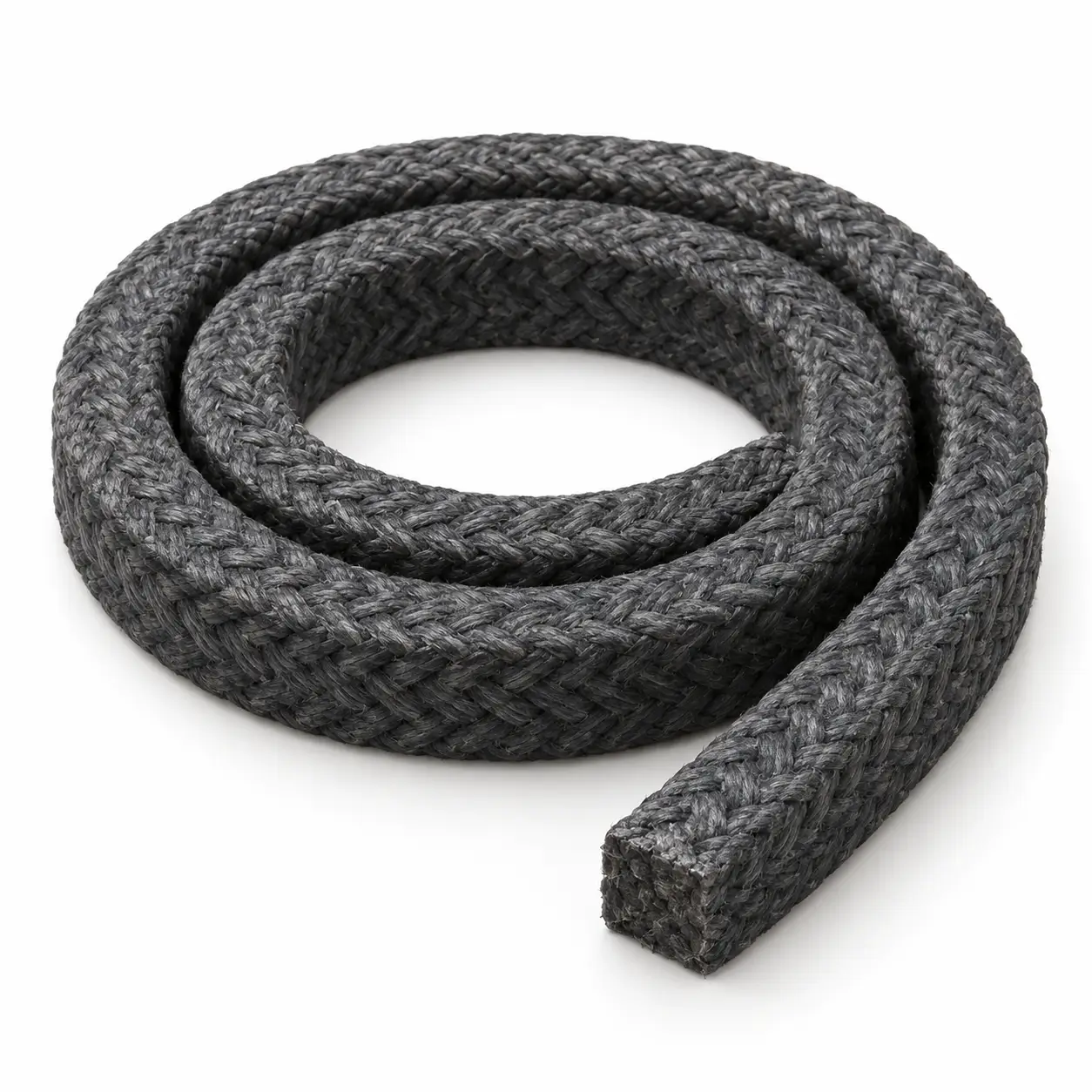
Is Kynol Fiber Packing Resistant to Chemicals and Abrasion? For maintenance engineers and procurement teams who have watched a standard packing swell, harden, or wear a shaft in a chemical pump, that question decides whether a rebuild becomes a recurring cost or a controlled event. Kynol fiber packing, also known as novoloid fiber packing, is built around a phenolic fiber structure that offers broad chemical compatibility and useful mechanical toughness in demanding sealing positions. The real answer is not a simple yes; it depends on the chemical family, concentration, temperature, shaft speed, abrasion load, and installation quality. Ningbo Kaxite Sealing Materials Co., Ltd. supports buyers with grade selection, technical data review, and application matching so the packing is not chosen by habit alone. In mixed service involving mild acids, caustics, solvents, slurries, or high-pressure pump glands, a correctly selected Kynol Fiber Packing can deliver reliable sealing and easier maintenance. A specification that looks acceptable on paper can still fail if the gland is over-tightened, the shaft is scored, or the flush plan is inadequate; therefore, product data and field practice must be reviewed together. The practical way to evaluate performance is to compare media, operating limits, and wear mechanisms before purchase, then confirm installation and break-in procedures. This guide explains where Kynol fiber packing performs well, where caution is needed, and which parameters procurement teams should verify before placing an order.
Article Outline
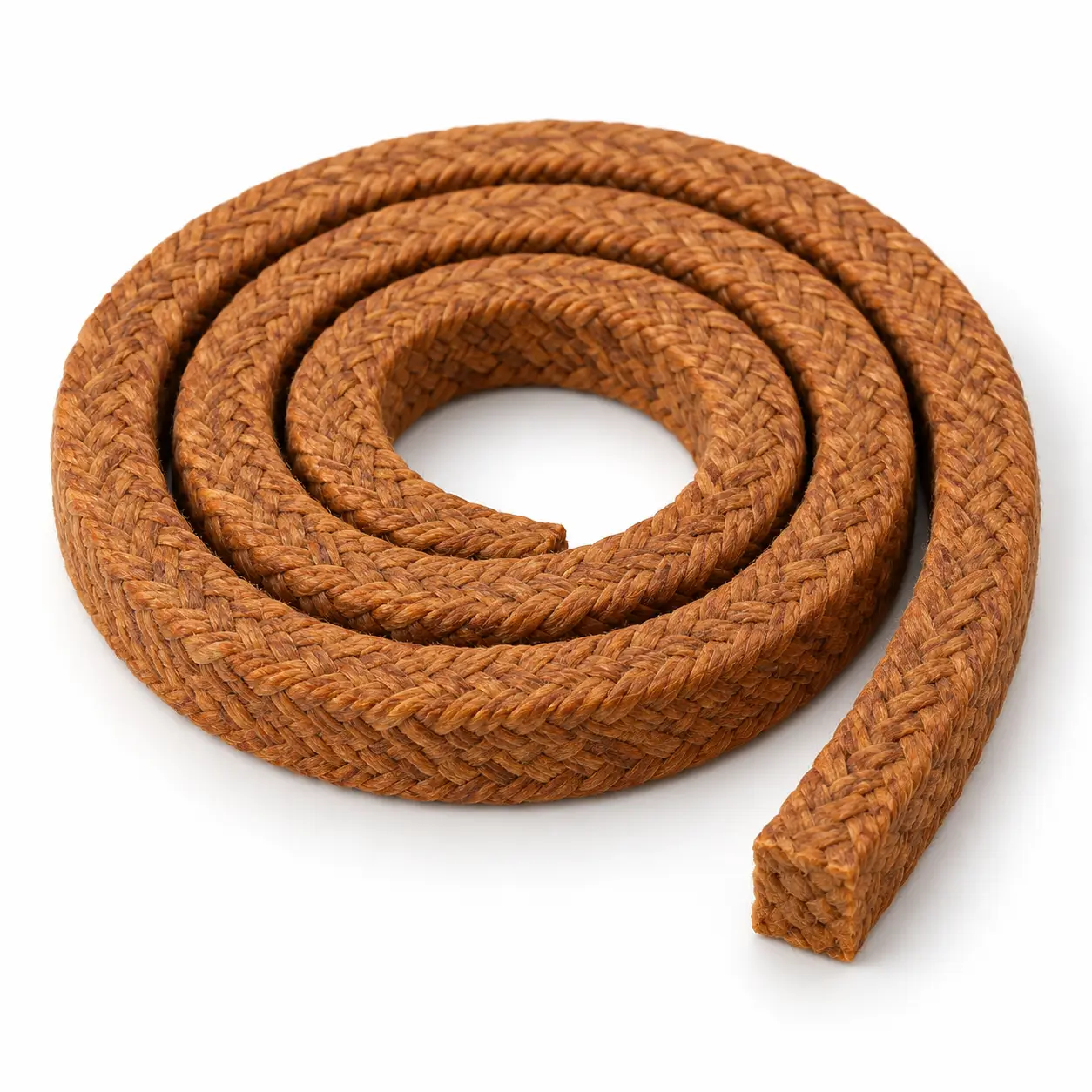
A procurement officer often receives a request that sounds simple: replace the packing in a chemical transfer pump, stop the drip, and avoid another shutdown next month. The pain appears when the service is not simple at all. The pump may handle a diluted acid on Monday, a caustic rinse on Tuesday, and a slightly abrasive slurry during weekend cleaning. Under those conditions, inferior packing can glaze, extrude, or polish the shaft, while over-tightened glands create heat that shortens service life. The solution is not to choose the hardest packing or the most chemical-resistant packing in isolation; it is to match fiber structure, lubricant, braid construction, and gland pressure to the actual operating window. Kynol Fiber Packing is often considered where chemical exposure and mechanical wear occur together, because its novoloid fiber base provides a balance of chemical stability and compression resilience. Ningbo Kaxite Sealing Materials Co., Ltd. helps buyers review media concentration, temperature, shaft speed, and equipment condition before recommending a grade, so the packing supports the maintenance plan instead of becoming another variable.
| Service Condition | Common Risk | Kynol Fiber Packing Response | Selection Note |
|---|---|---|---|
| Mild acid or caustic pump | Swelling, weight gain, gland leakage | Broad chemical compatibility with stable sealing pressure | Confirm concentration and temperature before order |
| Solvent and water mixture | Softening, extrusion, poor recovery | Good compression resilience and dimensional stability | Check compatibility data for the specific solvent |
| Light slurry or suspended solids | Abrasive wear at sleeve and packing rings | Useful mechanical toughness for moderate abrasive duty | Use adequate flush and inspect shaft finish |
| High-pressure gland | Heat build-up and ring hardening | Stable under controlled gland load when installed correctly | Follow break-in and re-torque procedure |
The painful scenario is a packing that looked compatible in a catalog but failed after two weeks because the process included a trace oxidizer, a higher temperature than expected, or intermittent cleaning chemicals. Procurement teams need more than a general “chemical resistant” label. They need a practical review of the chemical family, concentration, temperature, and exposure pattern. Kynol fiber packing is recognized for broad resistance in many non-oxidizing chemical services, and it can be a strong candidate for pumps handling selected acids, caustics, solvents, and mixed aqueous streams. However, no single packing is universal. Strong oxidizing agents, high-temperature aggressive media, and certain concentrated chemicals require caution or a different sealing solution. The solution is to submit the complete media list to Ningbo Kaxite Sealing Materials Co., Ltd. for review and to confirm the recommended Kynol Fiber Packing grade against the actual duty cycle. A clear compatibility check prevents the hidden cost of repeated failures and unplanned downtime.
| Chemical Family | Typical Exposure | Compatibility Guidance | Caution |
|---|---|---|---|
| Dilute acids | Transfer, dosing, neutralization | Often suitable after concentration and temperature review | Verify oxidizing acids separately |
| Caustics and alkaline solutions | Washdown, chemical processing | Good candidate when temperature limits are respected | Check concentration and flush plan |
| Solvents and hydrocarbons | Batch transfer, cleaning circuits | Review solvent family and elastomer or lubricant content | Avoid assumptions based on one solvent test |
| Strong oxidizers | Bleach, peroxide, nitric service | Requires specific engineering review | May not be the first-choice packing |
| Mixed process streams | Intermittent cleaning and production | List every chemical in the cycle | Trace media can change performance |
The field pain is easy to recognize: black wear debris, a polished shaft sleeve, loose rings, and a leak that returns soon after maintenance. Abrasion in pump packing rarely comes from solids alone. It can be driven by high shaft speed, poor alignment, dry running, excessive gland pressure, or a rough sleeve finish. Kynol Fiber Packing offers useful mechanical toughness and compression resilience, which helps it resist deformation in moderate abrasive and chemical service. The solution is to combine the right packing with a shaft condition check, correct ring cutting, controlled gland load, and a suitable flush or lubrication plan. If the service contains fine abrasive particles, Ningbo Kaxite Sealing Materials Co., Ltd. can review the particle size, solids concentration, pump speed, and maintenance interval to help select a packing construction that suits the duty. The goal is not only longer packing life; it is protecting the shaft, reducing water use, and stabilizing leakage control between planned shutdowns.
| Abrasion Factor | Field Scenario | Recommended Action | Kynol Packing Benefit |
|---|---|---|---|
| Fine suspended solids | Slurry transfer, filter feed | Increase flush quality and check sleeve finish | Tough fiber structure for moderate abrasive duty |
| High shaft speed | Continuous process pump | Confirm speed limit and use proper lubrication | Stable compression and heat resistance |
| Over-tightened gland | Leak stopped by excessive torque | Use break-in procedure and controlled re-torque | Resists hardening when correctly loaded |
| Rough or scored shaft | Visible grooves or sleeve wear | Repair or replace sleeve before repacking | Reduces risk of rapid ring failure |
| Dry-running intervals | Intermittent pump operation | Add flush, lubrication, or operating control | Better recovery than many low-cost packings |
The buying pain is a quotation that lists only a size and a price. When the packing arrives, the maintenance team discovers that the braid size is correct but the lubricant, density, or grade does not match the chemical and abrasive load. The result is a short service cycle and a difficult conversation about responsibility. The solution is a parameter-based inquiry. Ningbo Kaxite Sealing Materials Co., Ltd. asks buyers to provide shaft diameter, stuffing box dimensions, media name, concentration, temperature, pressure, shaft speed, pump type, and any flush plan. With those details, the Kynol Fiber Packing recommendation becomes traceable and easier to approve. Procurement teams can compare offers on total sealing performance instead of unit price alone, including installation time, shaft protection, leakage control, and expected maintenance interval.
| Parameter | Target Information | Why It Matters | Kaxite Support |
|---|---|---|---|
| Media and concentration | Full chemical list with percentages | Determines compatibility and cautions | Grade review and technical data check |
| Temperature | Normal and peak operating values | Affects fiber stability and lubricant choice | Application matching within recommended limits |
| Pressure | Stuffing box pressure range | Influences density and ring count | Construction recommendation |
| Shaft speed | RPM and surface speed | Controls heat generation and wear rate | Installation and break-in guidance |
| Abrasive load | Particle size and solids content | Defines wear risk and flush needs | Selection review for mixed duty |
| Equipment condition | Sleeve finish, runout, alignment | Poor condition shortens any packing life | Practical maintenance checklist |
A common pain point appears after a correct purchase: the packing is installed like a generic rope, the gland is tightened until the leak stops, and the pump runs hot before the first shift ends. Even a high-quality Kynol Fiber Packing needs proper ring cutting, clean stuffing box preparation, staggered joints, and a controlled break-in period. The solution is a simple maintenance sequence that protects both the packing and the shaft. Cut rings to the correct length, keep joints staggered by 90 degrees, inspect the sleeve for scoring, and allow a small controlled leak during break-in where the application permits. Re-torque gradually after the packing seats. Ningbo Kaxite Sealing Materials Co., Ltd. supports buyers with installation notes so the product performs as intended in chemical and abrasive service, reducing repeat maintenance and improving safety around the gland.
| Step | Correct Practice | Risk If Skipped | Expected Result |
|---|---|---|---|
| Stuffing box preparation | Clean old packing and inspect sleeve | Scoring and rapid wear | Stable ring seating |
| Ring cutting | Use mandrel or correct size control | Poor joint fit and leakage | Even compression |
| Joint placement | Stagger joints around the shaft | Leak path through aligned joints | Better sealing efficiency |
| Gland tightening | Apply gradual, even load | Heat, glazing, and shaft damage | Controlled leakage and longer life |
| Break-in | Monitor temperature and adjust slowly | Thermal damage before seating | Improved running performance |
Q: Is Kynol Fiber Packing Resistant to Chemicals and Abrasion?
A: Kynol Fiber Packing is generally considered a strong candidate for many chemical and moderate abrasive services because its novoloid fiber structure offers broad chemical compatibility and useful mechanical toughness. It is not universally resistant to every chemical or every abrasive condition. Strong oxidizers, high temperatures, concentrated aggressive media, heavy solids, poor shaft condition, and incorrect installation can reduce performance. Ningbo Kaxite Sealing Materials Co., Ltd. reviews the full operating conditions before recommending a grade so buyers can avoid a simple yes-or-no assumption.
Q: How should a procurement team confirm Kynol Fiber Packing for a mixed chemical and abrasive pump?
A: The buyer should provide the complete media list, concentration, normal and peak temperature, pressure, shaft speed, solids content, particle size, pump type, and flush plan. Photos of the stuffing box and shaft condition also help. With that information, Ningbo Kaxite Sealing Materials Co., Ltd. can match the Kynol Fiber Packing construction to the duty and explain any limits. This approach supports safer purchasing decisions and reduces the risk of repeated failures caused by an incomplete specification.
The procurement pain is not only finding a packing that can handle chemicals and abrasion; it is finding a supplier who understands the application before the order is confirmed. A delayed shipment, an unclear technical answer, or a grade mismatch can stop a maintenance window. Ningbo Kaxite Sealing Materials Co., Ltd. focuses on sealing material solutions for industrial buyers and supports Kynol Fiber Packing inquiries with practical technical review, specification matching, and responsive communication. The company can help users compare options for pump packing, compression packing, and synthetic fiber packing across chemical, abrasive, and mixed process duties. The solution is to share operating conditions early, confirm the recommended grade, and plan installation and spare-parts needs together. This collaborative approach helps buyers reduce downtime, protect shafts, and improve the reliability of sealing decisions.
| Buyer Need | Kaxite Response | Outcome |
|---|---|---|
| Chemical compatibility review | Technical data and application questions | Better grade selection |
| Abrasion and shaft protection | Packing construction and installation guidance | Longer service intervals |
| Urgent maintenance planning | Clear communication on specifications | Fewer ordering errors |
| Consistent industrial supply | Support for repeat orders and sealing materials | Stable procurement process |
For buyers who need a practical sealing partner, Ningbo Kaxite Sealing Materials Co., Ltd. invites you to send the operating conditions, equipment details, and target maintenance interval for a focused review. The company supplies sealing materials and supports product selection through its website https://www.synthetic-fiber-packing.com, and direct inquiries can be sent to [email protected]. Share the chemical exposure, abrasion risk, shaft speed, temperature, and pump type, and the team can help identify a suitable Kynol Fiber Packing direction for your maintenance plan. Ningbo Kaxite Sealing Materials Co., Ltd. aims to solve sealing problems with clear specifications, dependable communication, and application-focused support for industrial procurement teams.
Economy, J., Clark, T. J., and Shih, W. C., 1979, Novoloid Fibers: Structure and High-Performance Properties, Journal of Applied Polymer Science, 24(1).
Mangun, C. L., Daley, M. A., and Economy, J., 1998, Activated Carbon Fibers from Novoloid Precursors, Carbon, 36(7-8).
Hayes, B. S., and Shah, R. K., 2001, Chemical Stability of Phenolic Fiber Materials in Aggressive Media, Industrial & Engineering Chemistry Research, 40(12).
Kato, T., and Nakamura, H., 2003, Friction and Wear Behavior of Phenolic Fiber Reinforced Composites, Wear, 255(5-6).
Smith, P. A., and Jones, M. E., 2005, Compression Packing Performance in Chemical Pump Glands, Sealing Technology, 2005(9).
Zhang, Y., Liu, Q., and Wang, L., 2008, Tribological Properties of Novoloid Fiber Composites under Abrasive Conditions, Tribology International, 41(11).
Brown, R. D., and Patel, S., 2010, Chemical Resistance Evaluation of Synthetic Fiber Packings for Rotating Equipment, Journal of Materials Engineering and Performance, 19(6).
Kim, J. H., Park, S. Y., and Lee, C. W., 2013, Thermal and Mechanical Stability of Phenolic Fiber Sealing Materials, Polymer Composites, 34(8).
Anderson, K. L., and Miller, D. R., 2016, Pump Packing Selection for Mixed Chemical and Abrasive Service, Sealing Technology, 2016(4).
Wang, H., Chen, X., and Zhao, M., 2019, Abrasion Mechanisms and Service Life of Braided Packing in Slurry Pumps, Wear, 426-427(Part B).
-