Language

At 2 a.m., a maintenance crew is still tightening a gland that should have been stable all shift. The pump is not running hot, the valve is not leaking onto the floor, yet a thin seep returns every few hours. What Causes Synthetic Fiber Packings to Fail and How Can You Prevent It? For busy procurement teams, the answer is rarely one bad box of packing; it is a chain of small specification, installation, and operating decisions that only show up after startup. A synthetic fiber packing can be chemically suitable and still fail because the gland load is uneven, the shaft runout is too high, the break-in schedule was skipped, or the product was selected for the wrong pH, temperature, pressure, or media window. Ningbo Kaxite Sealing Materials Co., Ltd. helps buyers connect those variables before the purchase order is placed, matching aramid, PTFE, Kynol fiber, and hybrid constructions to pump and valve duty. This practical guide shows the failure patterns buyers can spot early, the parameter checks that prevent repeat leaks, and the questions to ask a supplier so a low-cost packing does not become a high-cost shutdown. The goal is simple: specify for the real operating envelope, verify the installation window, and buy from a supplier who can explain the trade-offs in measurable terms.
Jump to:
Imagine a chemical plant that replaces pump packing every six weeks. The buyer receives a competitive quote, the stores team issues the same cross-section, and the fitters follow the same routine, yet the leak returns. The failure is not a single event. It is usually a combination of gland pressure, shaft condition, media compatibility, and break-in behavior. Abrasive slurries cut aramid fibers; high-temperature dry running glazes PTFE; aggressive solvents soften some synthetic fibers; and excessive shaft runout opens a leak path that no amount of gland torque can close. In valves, the problem often appears as stem drag, rising emissions, or a hard, brittle ring that breaks during removal.
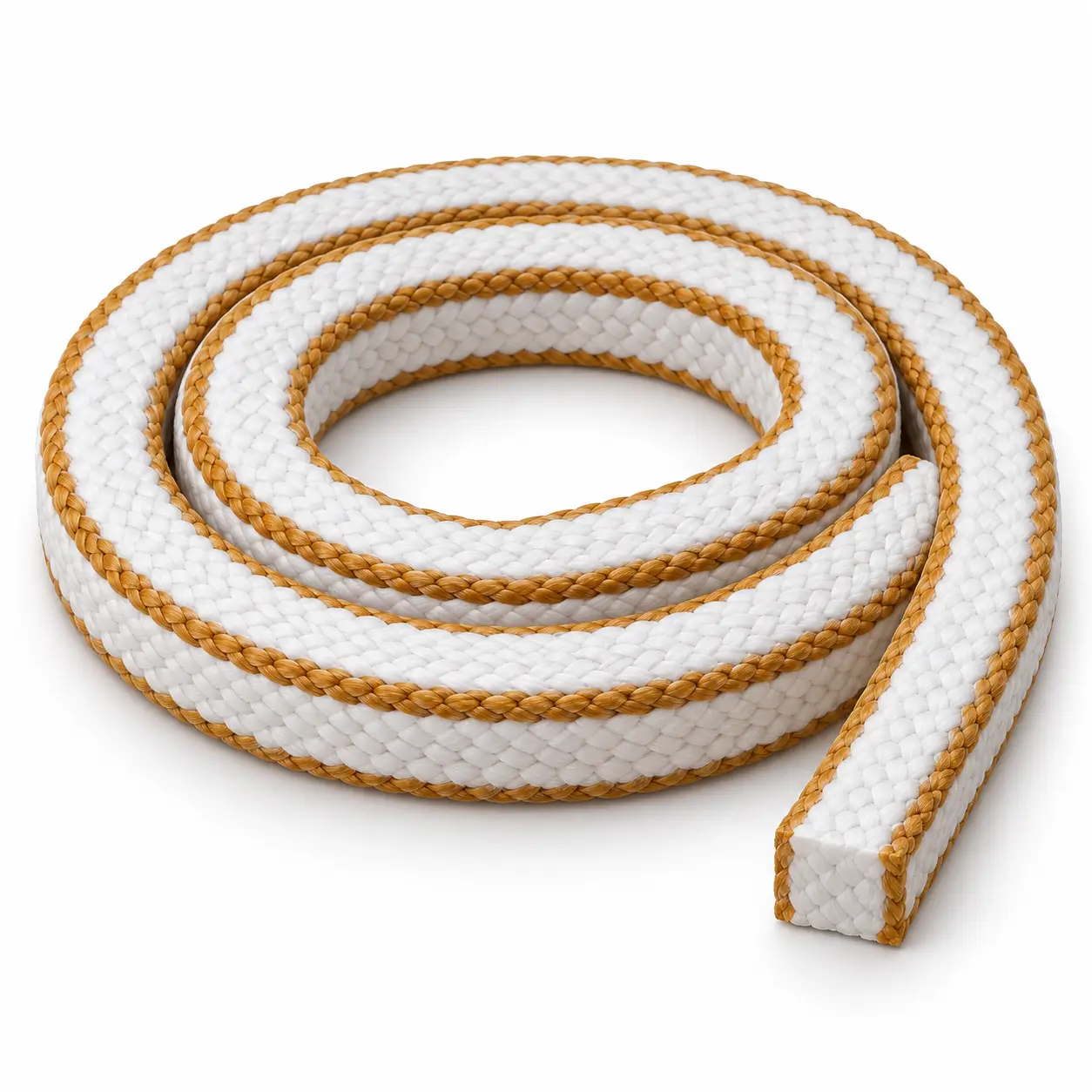
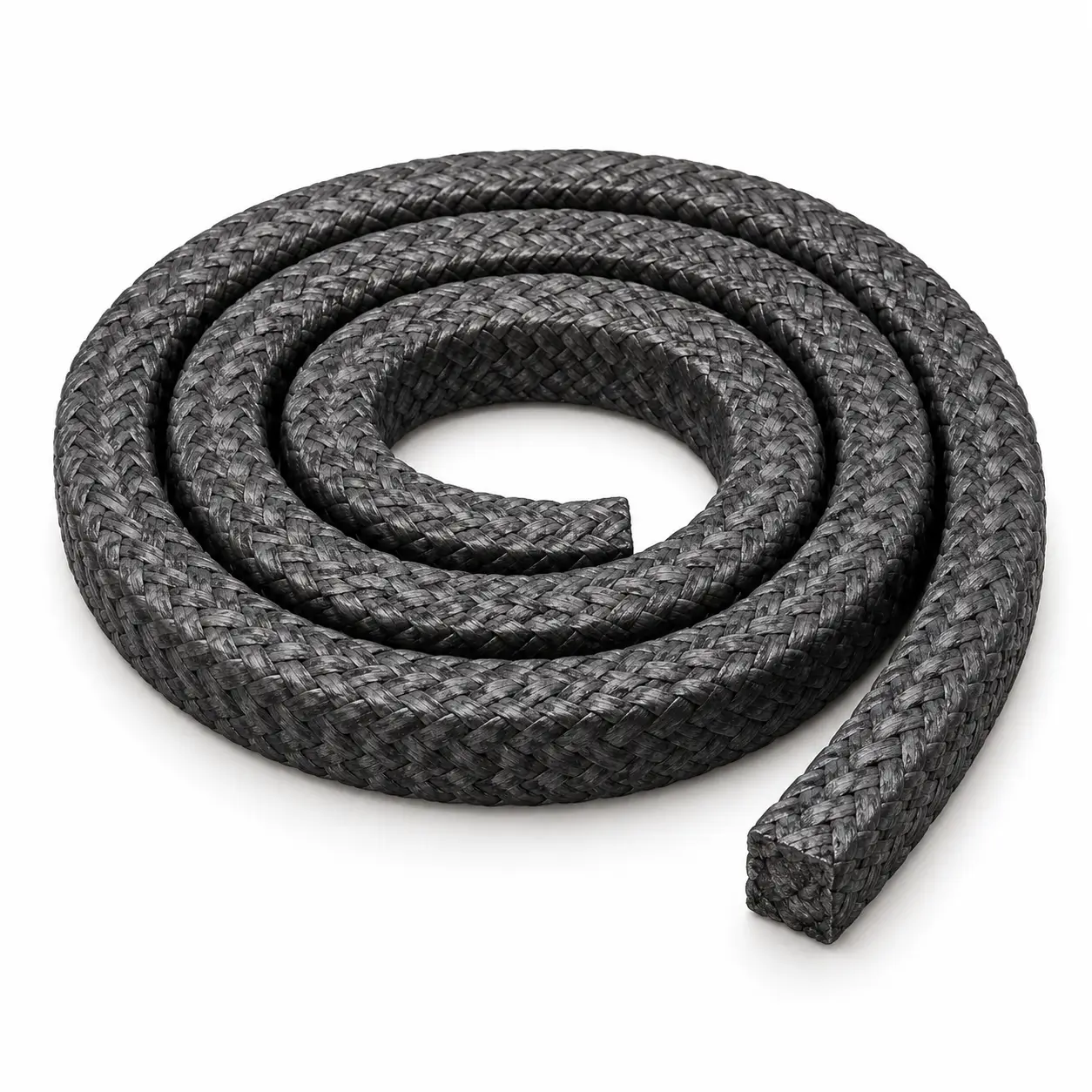
The practical solution is to treat packing as an engineered component, not a cut-to-size consumable. Measure shaft runout, sleeve finish, stuffing-box clearance, media pH, temperature, pressure, and cycling frequency before choosing a construction. Ask for a failure analysis when a ring is removed, and compare the worn surface with the service data. Ningbo Kaxite Sealing Materials Co., Ltd. supports this review with application questions that separate mechanical wear from chemical attack and thermal damage.
| Failure pattern | Likely driver | Parameter to verify | Prevention action |
|---|---|---|---|
| Rapid ring wear | Shaft runout or abrasive media | TIR and sleeve finish | Correct alignment; use a harder sleeve or a tougher fiber blend |
| Glazed, hard packing | Over-tightening and heat | Gland load and break-in temperature | Torque in steps; allow controlled leakage during run-in |
| Swelling or softening | pH or solvent mismatch | Chemical compatibility range | Confirm media concentration and select the correct fiber and lubricant |
| Extrusion from the box | Pressure and clearance | Stuffing-box gap and pressure rating | Use anti-extrusion rings or a braid designed for the pressure class |
For buyers, the useful question is not “which packing is cheapest?” but “which failure mode are we most likely to create?” That shift in thinking protects schedule, reduces repeat RFQs, and gives maintenance a measurable target.
A small drip is easy to ignore until it becomes a pool under the baseplate. In many plants, the first warning is not a dramatic leak; it is a slow increase in gland adjustment, a slight rise in power draw, or a faint odor near the valve bonnet. Operators may report “the packing feels tight” or “the stem is sticky,” while the buyer only sees another urgent purchase request. By the time the order is raised, the maintenance window is already short, and the team may repeat the same specification because there is no time to investigate.
The solution is a short inspection routine that turns observations into purchasing data. Record leakage rate, gland-bolt movement, stem drag, temperature, and the number of adjustments since installation. Photograph the removed rings and note whether they are dry, glazed, swollen, cracked, or worn on one side. These details help a supplier recommend a different braid structure, lubricant, or expansion ring instead of simply shipping the same item again.
| Symptom | What it often means | Field check | Preventive action |
|---|---|---|---|
| Leak returns after each adjustment | Shaft wear or runout | Dial indicator and sleeve inspection | Repair the shaft or use a sleeve; review packing grade |
| Stem drag on a valve | Over-torque or dry running | Gland torque and lubricant condition | Use a lower-friction construction and a documented torque sequence |
| Hard, brittle rings | Thermal degradation | Temperature at the gland and media temperature | Confirm the temperature rating and improve cooling or flush |
| Uneven wear on one side | Misalignment or poor ring cutting | Ring fit, joint stagger, and stuffing-box condition | Use correct cut length and rotate joints 90 degrees |
Procurement teams often inherit a packing specification from an old drawing or a maintenance habit. The risk appears when a process changes, a new solvent is introduced, or a pump is upgraded, but the purchase order still lists the same synthetic fiber packing. The result is a mismatch that is invisible at the quotation stage and expensive at the first shutdown. A buyer can prevent most of this by turning the RFQ into a short operating-data sheet rather than a part-number-only request.
Ask for pH range, concentration, temperature, pressure, shaft speed, shaft diameter, stuffing-box dimensions, media abrasiveness, and cleaning cycle. Require the supplier to state the recommended gland torque, break-in procedure, and acceptable leakage rate. For critical services, request a sample ring and a written compatibility note. Ningbo Kaxite Sealing Materials Co., Ltd. can review these inputs and recommend a braid, lubricant, and reinforcement package that fits the duty instead of forcing one standard product into every line.
| RFQ parameter | Why it matters | Buyer acceptance criterion | Verification method |
|---|---|---|---|
| pH and chemical concentration | Controls fiber and lubricant compatibility | Written range covers the full process window | Supplier compatibility data and plant lab check |
| Temperature and pressure | Sets thermal limits and extrusion risk | Rated margin above normal and upset conditions | Datasheet review and service history |
| Shaft speed and runout | Affects friction, wear, and leakage | Runout within supplier limit before installation | Dial indicator reading and sleeve finish record |
| Break-in allowance | Prevents glazing and over-tightening | Documented torque steps and leak target | Maintenance checklist sign-off |
A maintenance planner once described a “mystery leak” that appeared only on a high-cycle valve. The packing looked correct, the size was correct, and the leak test passed at startup. Two weeks later, the gland needed constant adjustment. The issue was friction and recovery: the selected construction was too stiff for the cycling rate, so it could not follow stem movement without losing contact. This is why material selection must follow the duty, not only the chemical compatibility chart.
Use aramid-reinforced packings for tough, abrasive duties where mechanical strength matters. Choose PTFE-based constructions for chemical resistance and low friction, but confirm temperature and creep behavior. Kynol fiber packings can suit services where thermal stability and chemical resistance are needed. Hybrid constructions often balance strength, sealing, and shaft protection. Ningbo Kaxite Sealing Materials Co., Ltd. helps buyers compare these options with clear parameters so the purchasing decision is based on service life, not just unit price.
| Fiber or construction | Best for | Watch-outs | Parameter to confirm |
|---|---|---|---|
| Aramid fiber | Abrasion resistance and mechanical strength | Can score soft shafts if run dry | Shaft hardness and lubrication |
| PTFE with Kynol fiber corners | Chemical resistance with low friction | Creep under high gland load | Temperature and torque limits |
| Graphite-blended synthetic fiber | High temperature and thermal cycling | Not ideal for strong oxidizers | Chemical compatibility and emissions target |
| Hybrid braid | Mixed duty with both wear and chemical risk | Performance depends on braid structure | Test data from the actual media and pressure |
Even a well-chosen synthetic fiber packing can fail if the installation is rushed. Rings cut at an angle, joints stacked in line, dirty stuffing boxes, and impact-driven gland nuts all create leak paths. During a short shutdown, the focus is often on getting the equipment back online, not on recording torque or checking ring fit. The consequence is a repeat failure that looks like a product problem but is really an installation and break-in problem.
Set a simple standard: cut rings to the correct length, stagger joints 90 degrees, keep the shaft and box clean, and tighten the gland in small increments while rotating the shaft or cycling the valve. Allow a controlled break-in period, then adjust only to the specified leakage rate. Record the final torque and the number of adjustments. This record becomes valuable purchasing data because it shows whether the packing is behaving as expected in that service.
| Stage | Target | Shop-floor check | Record |
|---|---|---|---|
| Ring preparation | Square cut and correct length | Wrap around shaft without gap or overlap | Cut length and ring count |
| Assembly | Joints staggered and clean | No debris; lantern ring or flush port aligned | Photo before gland closure |
| Gland tightening | Even load, no cocking | Alternate nuts in small steps | Torque value and bolt sequence |
| Break-in | Controlled leakage and temperature | Monitor leak rate and gland temperature | Adjustment count and final leak rate |
Q1: What causes synthetic fiber packings to fail shortly after a maintenance turnaround?
The most common causes are installation-related: uneven gland torque, incorrectly cut rings, dirty stuffing boxes, missed break-in steps, or a shaft that was not checked for runout. Chemical mismatch and thermal overload can also appear quickly, but a failure within days or weeks usually points to the installation window. Ask for the removal photos, torque record, and leak history; then compare them with the recommended procedure before changing the product.
Q2: How can a buyer prevent synthetic fiber packing failures before approving a supplier?
Require the supplier to review the actual service conditions, not just the packing size. A good quotation should state the pH and temperature range, pressure limit, recommended shaft condition, gland torque, break-in method, and expected leakage target. Ask for a compatibility note and a sample evaluation for critical lines. A supplier that can explain these parameters clearly is usually better prepared to prevent repeat failures than one that only competes on price.
Before the next RFQ goes out, share the operating conditions, removal photos, and leak history with a technical supplier who can translate them into a packing recommendation. That single step can prevent the next emergency purchase and give maintenance a clear installation standard to follow.
Ningbo Kaxite Sealing Materials Co., Ltd. supplies synthetic fiber packings and sealing materials for pump, valve, and industrial sealing applications, with support focused on material selection, application review, and reliable delivery for procurement teams. The company helps buyers compare aramid, PTFE, Kynol fiber, and hybrid constructions against real process data so specifications match the duty. Learn more at https://www.synthetic-fiber-packing.com or send application details to [email protected] for a practical recommendation.
Müller, H., and Bauer, T. (2018). Friction and wear of aramid fiber braided packings in reciprocating seals. Tribology International, 121, 45–53.
Wang, L., Chen, Y., and Zhao, R. (2020). Influence of gland torque on leakage and thermal behavior of PTFE compression packings. Sealing Technology, 2020(7), 6–11.
Smith, J. R., and Patel, N. (2016). Failure analysis of synthetic fiber packings in centrifugal pumps. Journal of Failure Analysis and Prevention, 16(3), 412–421.
Ito, M., and Sato, K. (2019). Break-in procedures for low-emission valve stem packings. Industrial Lubrication and Tribology, 71(5), 688–697.
Garcia, P., and Lopez, M. (2021). Chemical compatibility mapping for aramid and Kynol fiber packings. Polymer Engineering and Science, 61(9), 2341–2352.
Kumar, A., and Singh, R. (2017). Effect of shaft runout on packing leakage and sleeve wear. Wear, 376–377, 1120–1129.
Brown, E., and Wilson, D. (2022). Procurement specifications for compression packing in chemical plants. Sealing Technology, 2022(3), 9–14.
Chen, H., Li, X., and Zhou, Q. (2015). Thermal degradation of PTFE-based packing materials under cyclic loading. Journal of Applied Polymer Science, 132(18), 41987.
Rossi, F., and Conti, A. (2018). Emission control with synthetic fiber valve packings: test bench and field data. Journal of Tribology, 140(4), 041605.
Nakamura, T., and Ishikawa, S. (2020). Water consumption and leakage control in pump packing systems. Mechanical Systems and Signal Processing, 142, 106755.
-
-